Most People Fear Carbs—But These 7 Grains Actually Changed My Patients’ Health
A clinical nutritionist explains why cutting all grains may be doing more harm than good—and the 7 gluten-free options that restore energy, digestion, and balance.
I see it every day in the clinic: patients so terrified of gluten that they cut out every single grain in existence. They take a logic leap and assume that because wheat is off the table, all grains are the enemy.
The result? They end up tired, moody, and nutrient-depleted. It’s a cycle that makes things worse. You don't have to live on salads alone. Your body needs the fiber and sustained energy that whole grains provide. Let’s put some respect back on these ancient powerhouses. Here are the seven gluten-free grains I personally use to get my patients feeling nourished again.
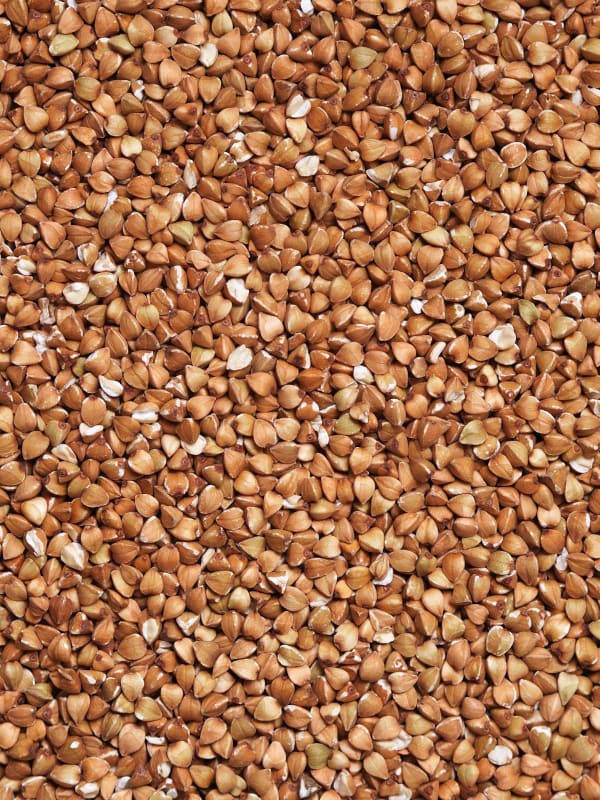
1. Buckwheat
The grain that isn't actually a grain. Despite the name, buckwheat is not wheat—it’s actually a seed related to rhubarb. It’s a nutritional heavy hitter loaded with fiber and magnesium. I love recommending it for cardiovascular health because it contains rutin, a powerful flavonoid that supports healthy circulation.
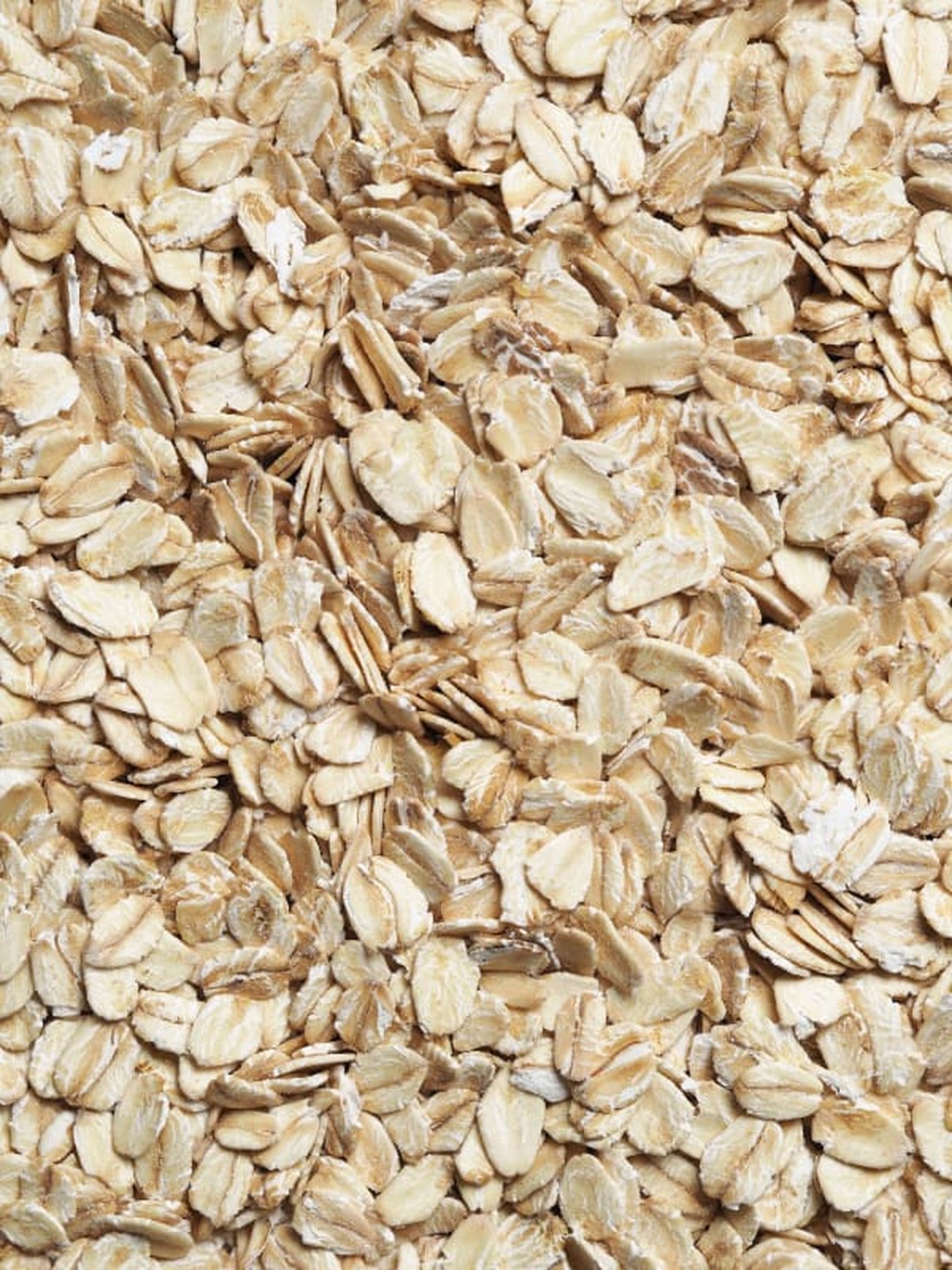
2. Oats
The gluten-free minefield. Oats are a clinical superstar, but they are also a trap. They are naturally gluten-free, but almost always processed in facilities that handle wheat or barley. If you have celiac disease or high sensitivity, cross-contamination is a real risk. When you find the right batch, the beta-glucan fiber acts like a sponge in your gut, actively soaking up cholesterol.
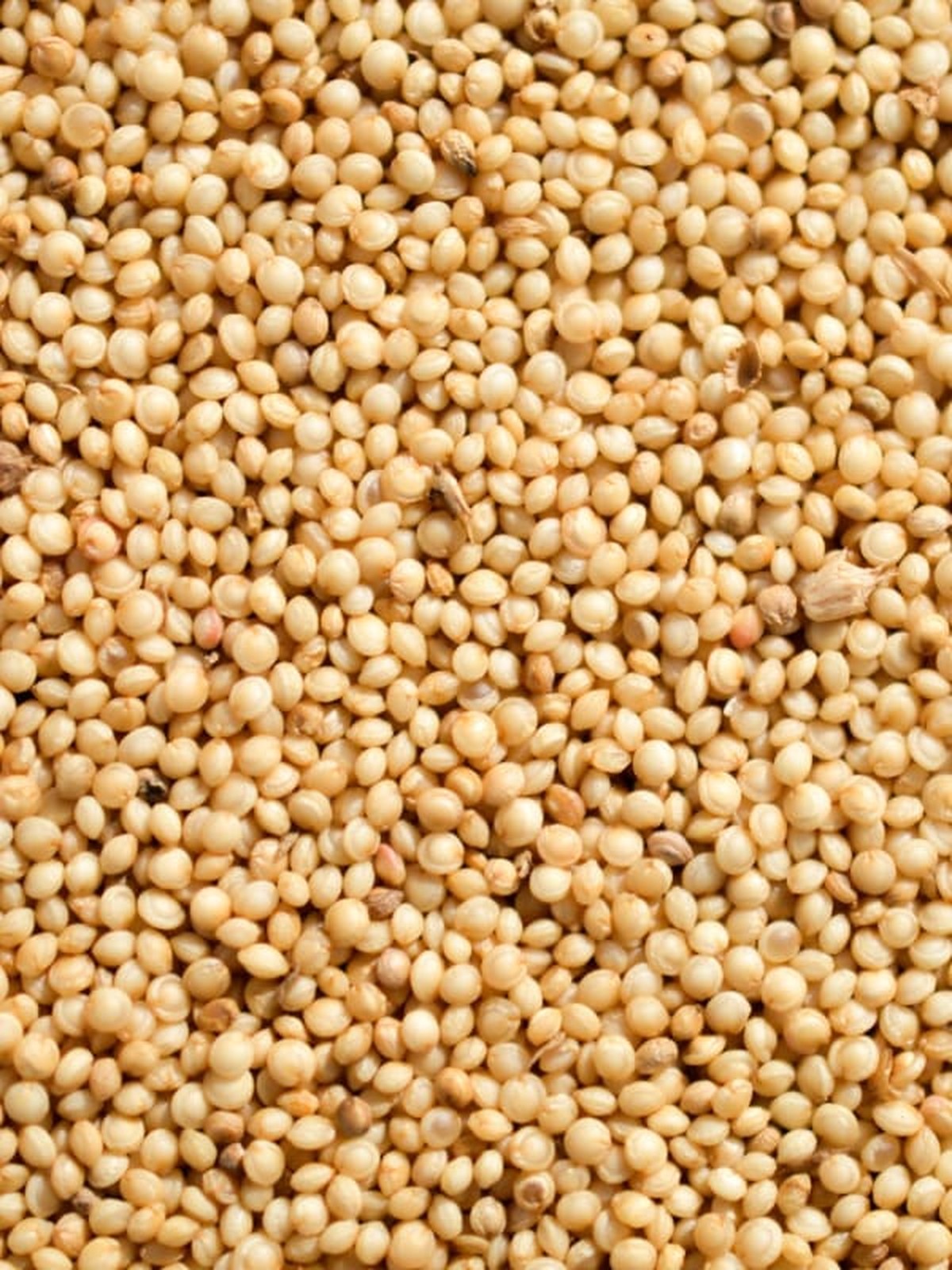
3. Amaranth
The ancient Aztec super-seed. This tiny seed was once a staple of the Aztec empire. The Spanish conquistadors tried to wipe it out, but thankfully, they failed. Amaranth is a nutritional giant in a tiny package. It’s rare for a plant-based food to be this high in protein, and it’s packed with lysine—an amino acid that’s usually hard to get in a grain-heavy diet.
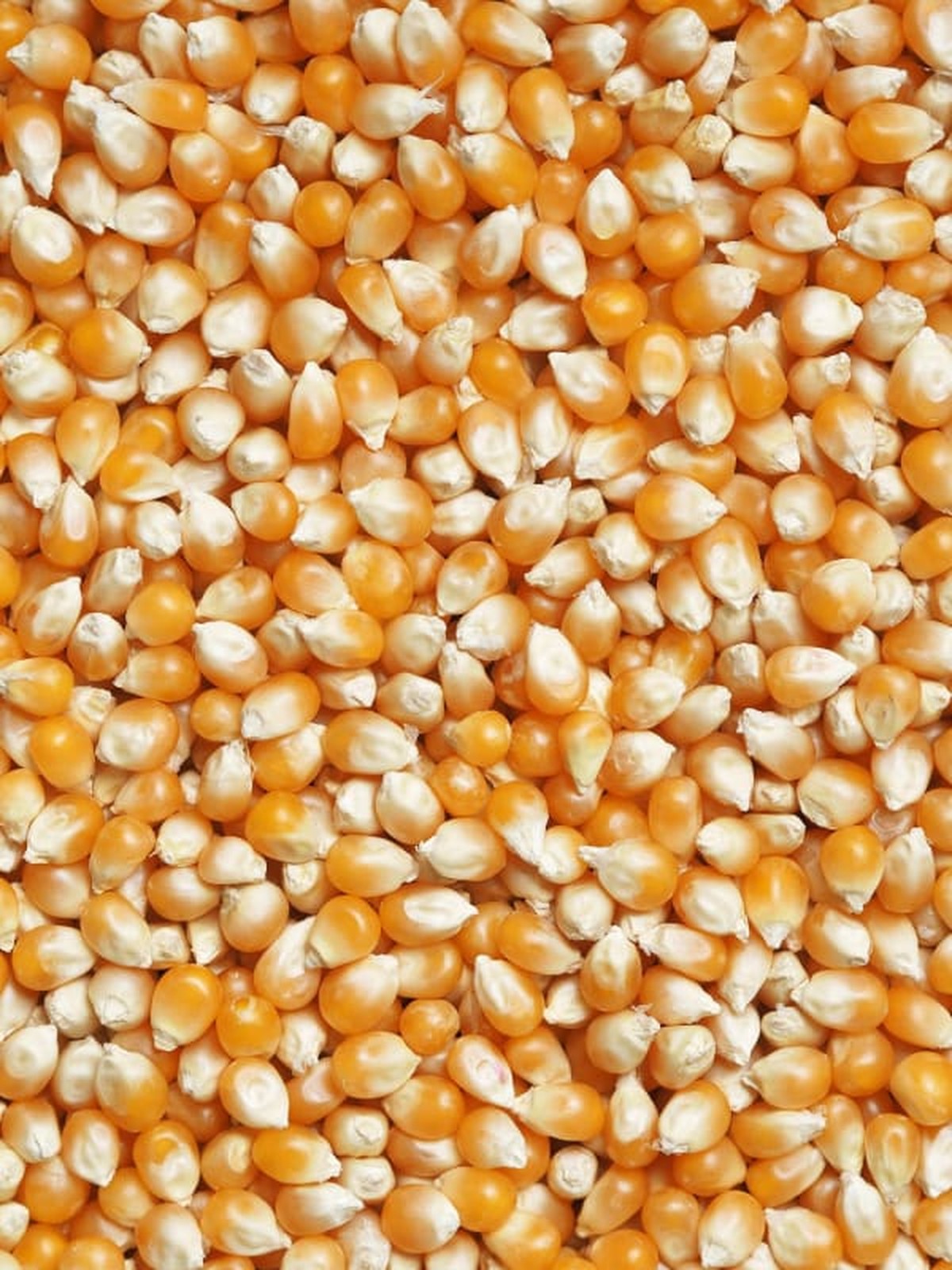
4. Corn
The antioxidant secret. Corn is everywhere, but we’ve turned it into junk food. Real, whole-kernel corn is a fantastic source of lutein and zeaxanthin—two antioxidants that are critical for your eye health. However, much of the corn in the modern diet is a highly processed, genetically modified shadow of its ancestors.
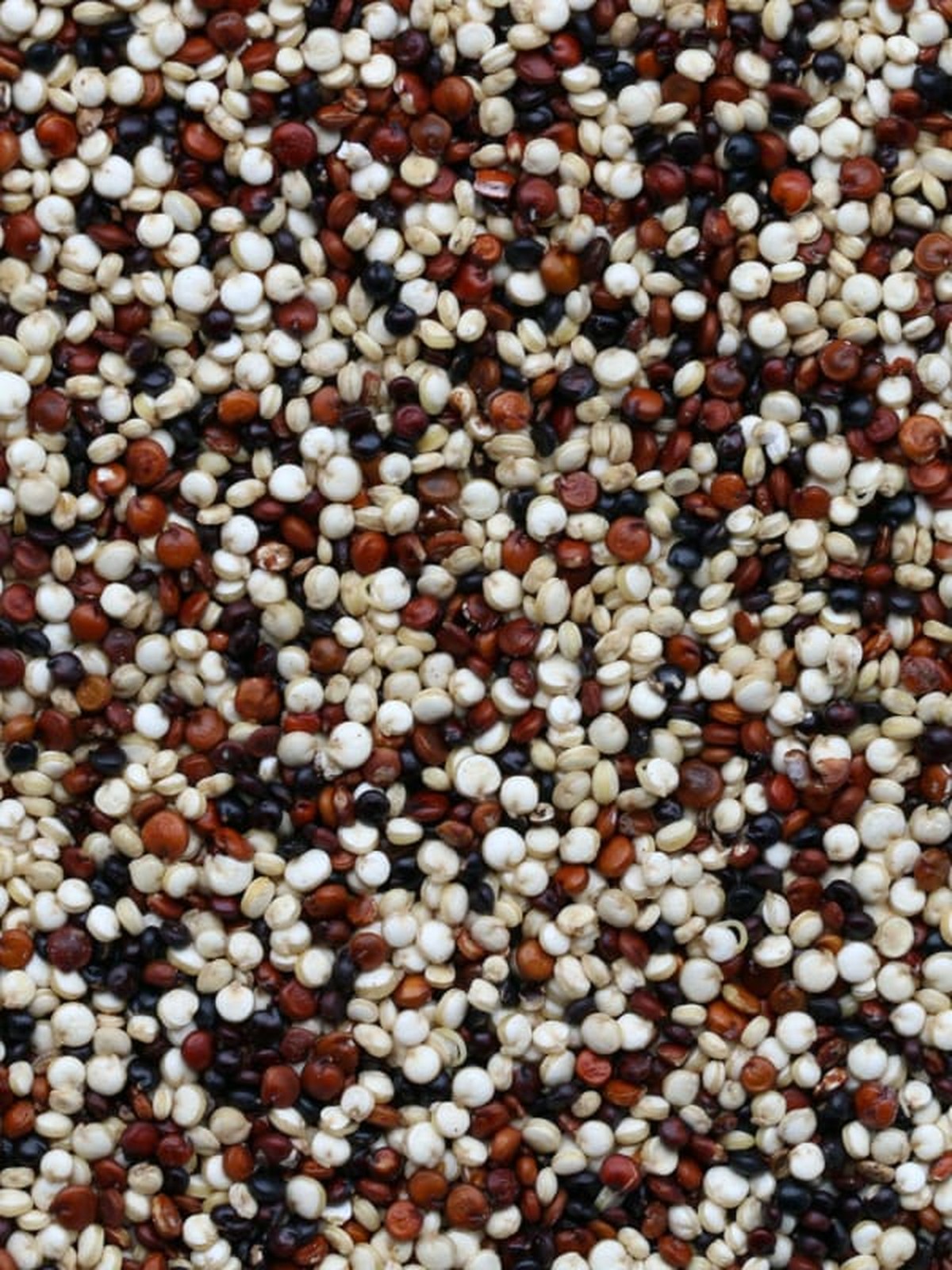
5. Quinoa
Why you probably hate the taste. It’s the celebrity of the health world, but many people hate it. If you think quinoa tastes soapy, you aren't doing it wrong—you just missed one crucial step. It’s a complete protein and a goldmine of magnesium, which is my go-to recommendation for clients struggling with stress or recurring migraines.
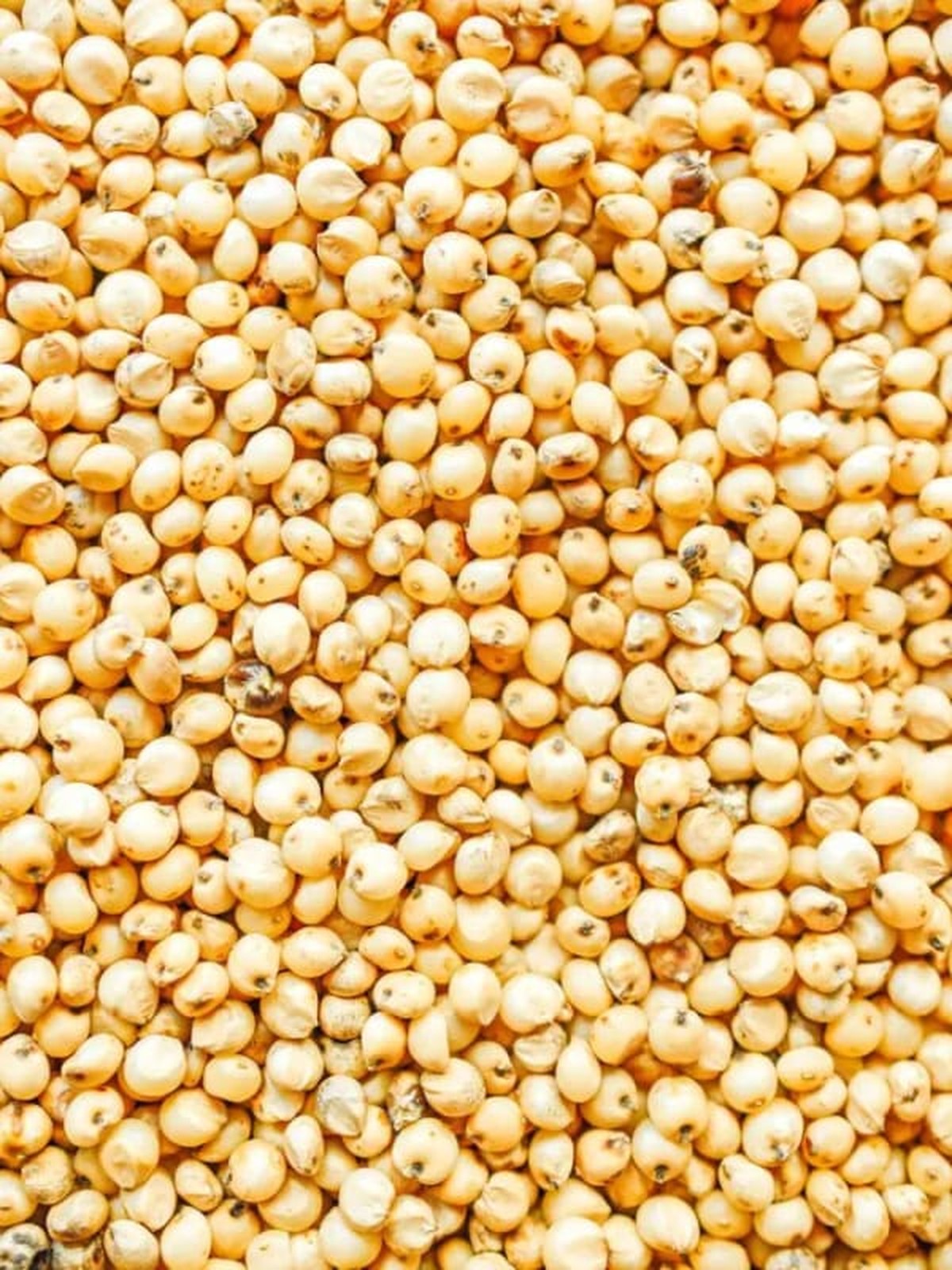
6. Sorghum
The climate-friendly survivor. This is arguably the most underrated grain in the West. It thrives in harsh climates where other crops fail, offering dense nutrition in return. Sorghum is packed with anthocyanins—the same powerful antioxidants found in blueberries.
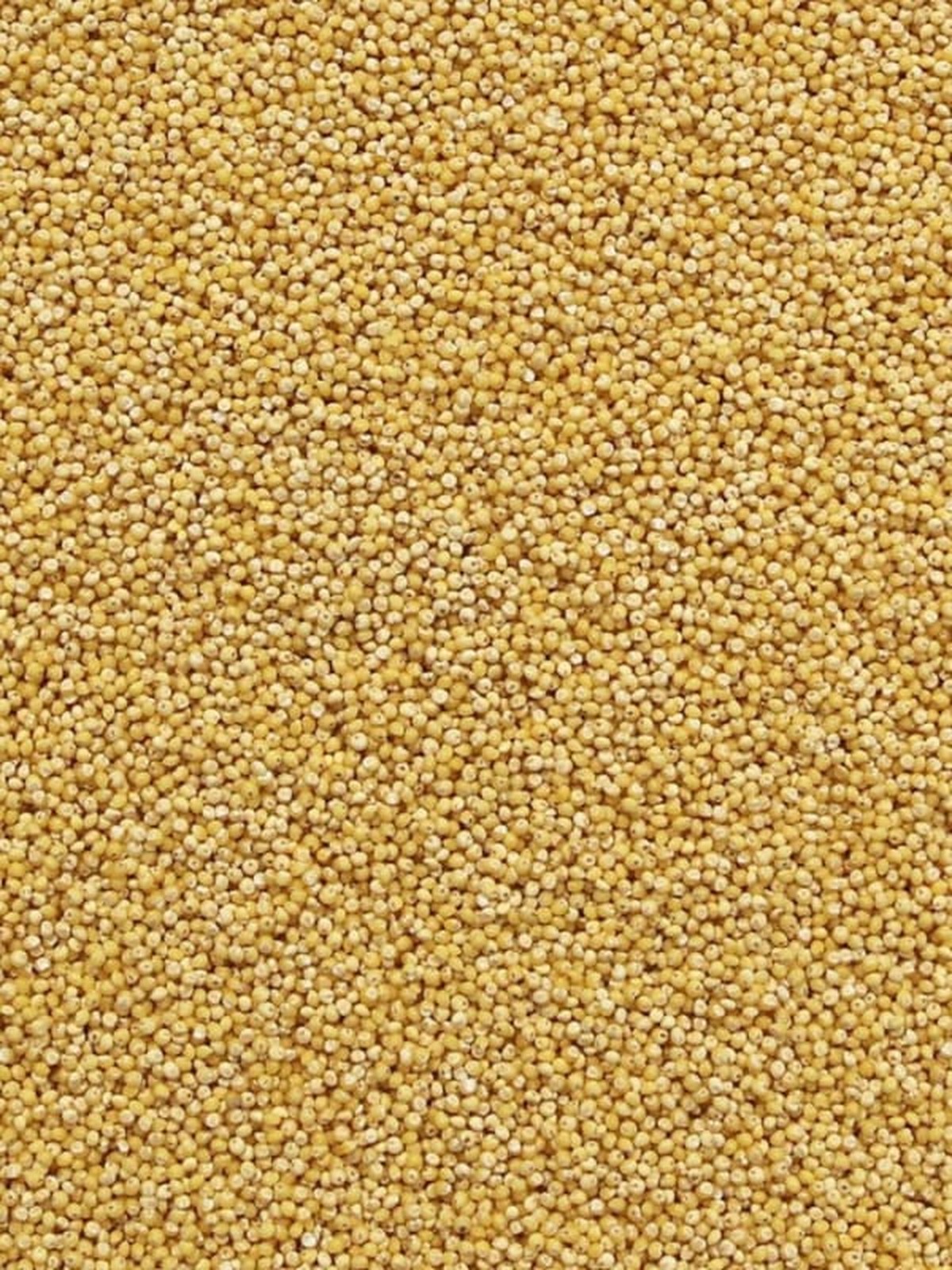
7. Millet
Forget the "birdseed" stigma. People hear "birdseed" and they check out. But remember, birds are picky eaters who instinctively hunt for high-energy, nutrient-dense fuel. Millet has been feeding human civilizations for thousands of years for the exact same reason. It’s alkaline, incredibly gentle on the digestive system, and rich in phosphorus for bone health.
Frequently Asked Questions
Are these grains automatically "healthier" than wheat?
Not always. "Gluten-free" doesn't automatically mean healthier. A gluten-free cookie is still a cookie. The real benefit comes from choosing whole, unprocessed grains instead of refined flours or sugary substitutes.
I don't have celiac disease. Do I actually need to eat these?
Absolutely. You don't need a diagnosis to benefit from dietary diversity. Your gut loves variety. If you're bored with brown rice, swapping in millet or sorghum is the easiest way to give your microbiome the nutrient profile it’s craving.
Are they hard to cook?
Honestly, it’s easier than you think. If you can boil rice, you can handle these. They follow the same water-to-grain ratios and typically cook in about 20 minutes. It’s a tiny effort for a huge energy payoff.
My challenge to you: Don't just read this and move on. Pick one grain from this list you’ve never tried and put it in your grocery cart this weekend. Your body will feel the difference before the bag is even empty.
Comments
Post a Comment